CIRCA: Accessible Service Waiting Study
An exploratory team UX and spatial-design study examining waiting pain points for disabled visitors at an automotive service center, combining accessibility personas, journey mapping, and 3D lounge prototypes.
View project case studyResearch question
How can a multi-hour automotive service waiting area communicate status and provide physical comfort equitably across mobility, visual, hearing, and age-related accessibility needs?
Context & motivation
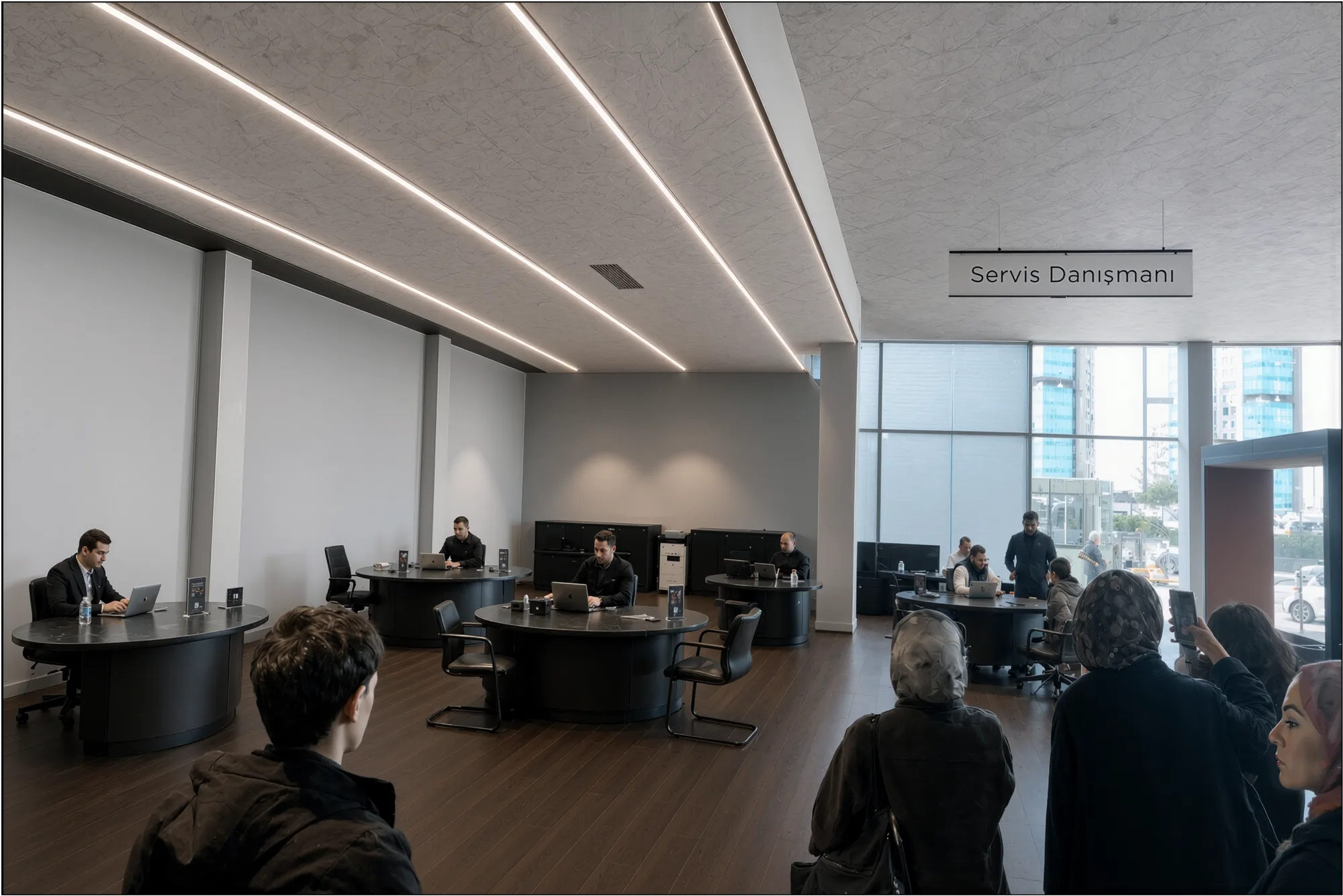
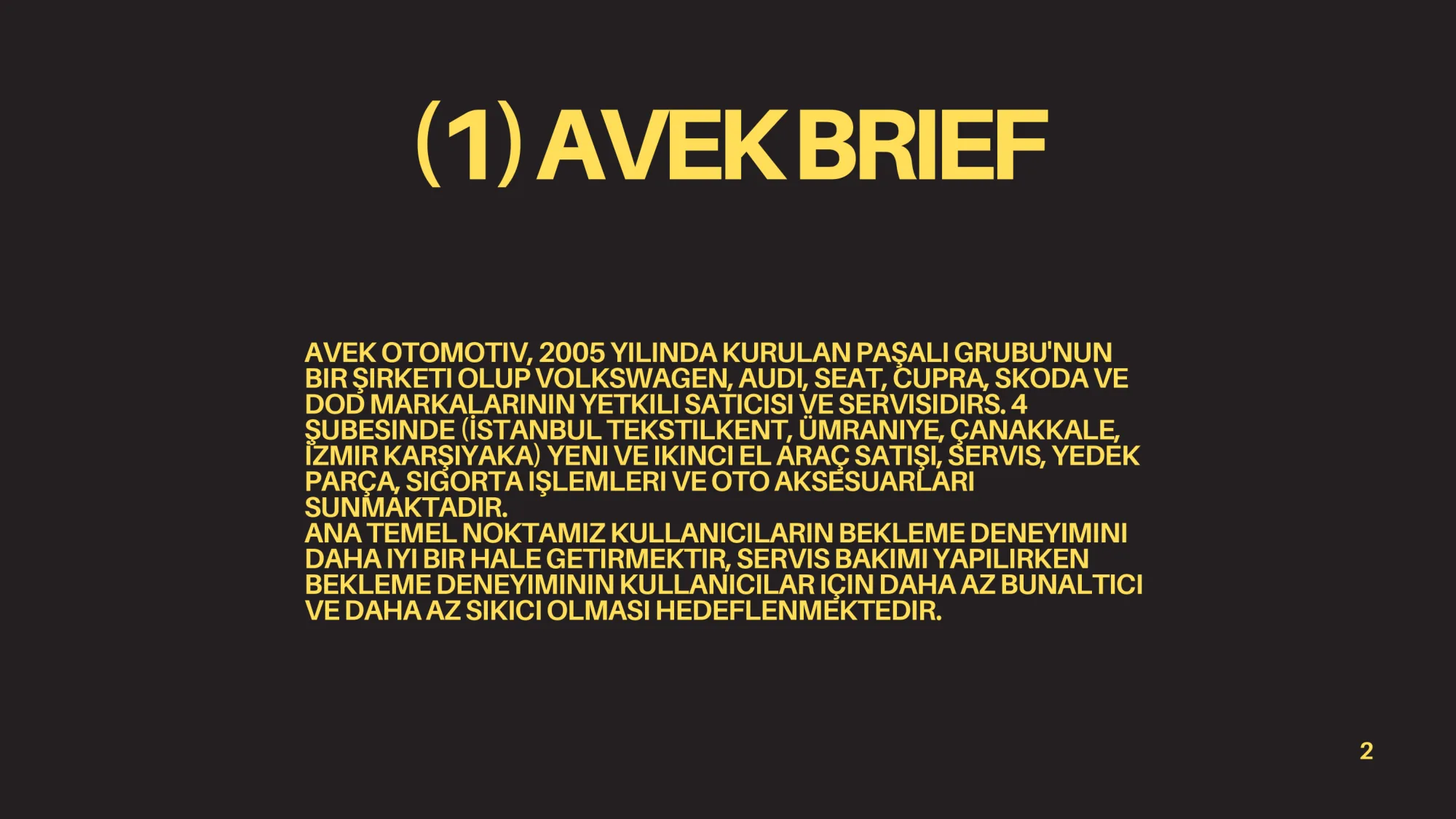
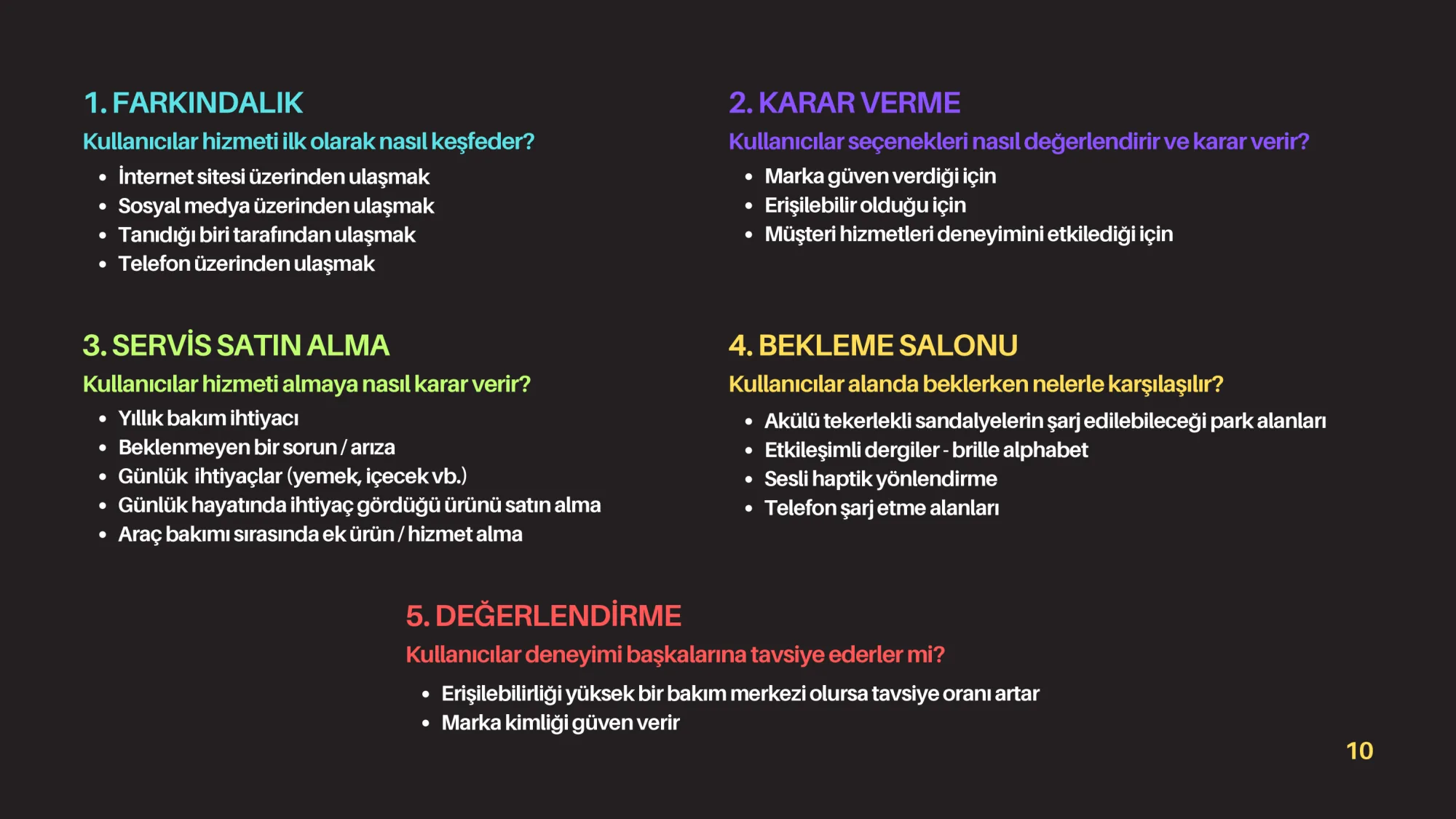
Customers waiting during vehicle servicing at AVEK Otomotiv (a Volkswagen Group dealer) often spend hours in a shared lounge. Standard announcements and dense seating layouts create barriers for visitors with disabilities.
Methodology
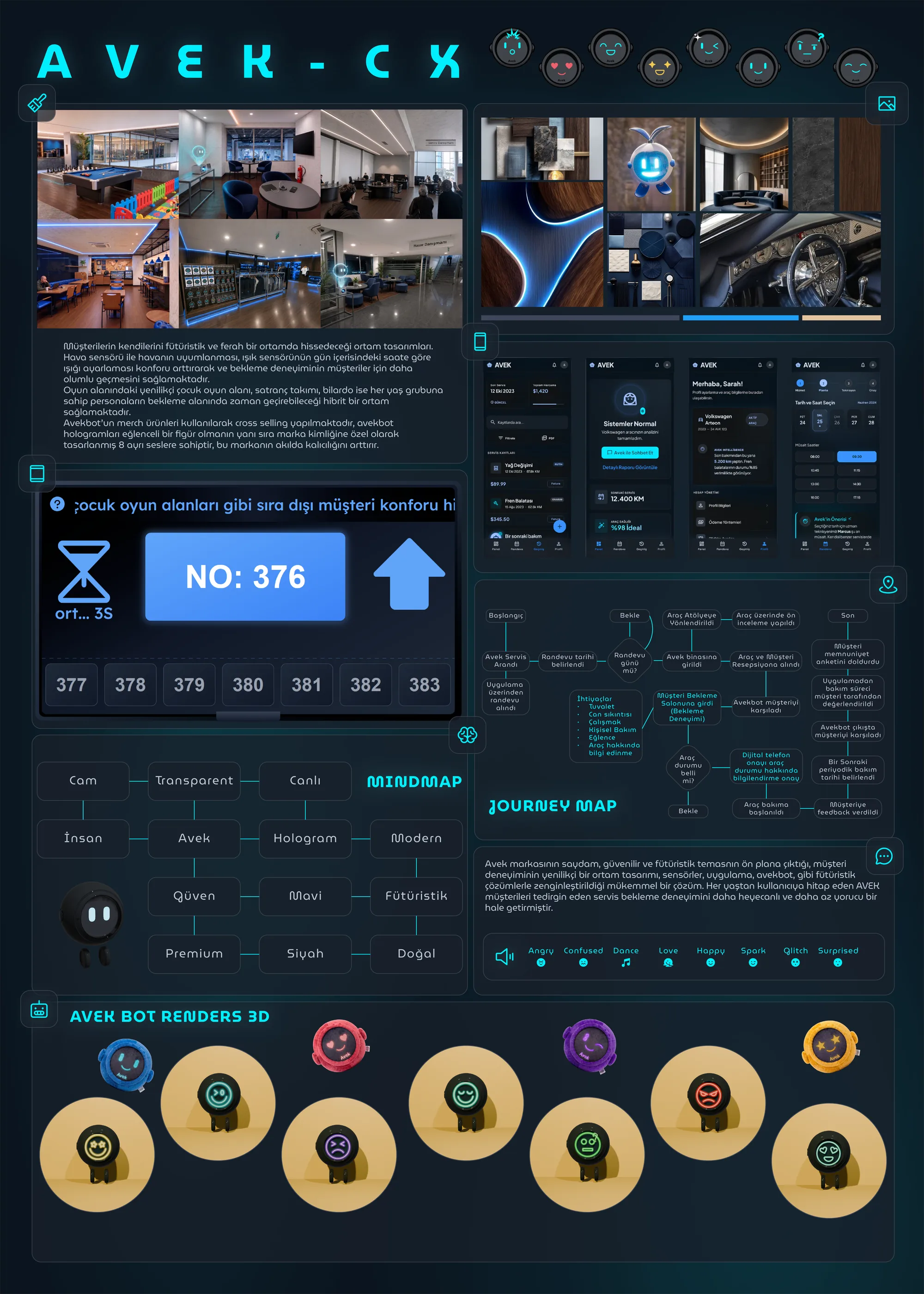
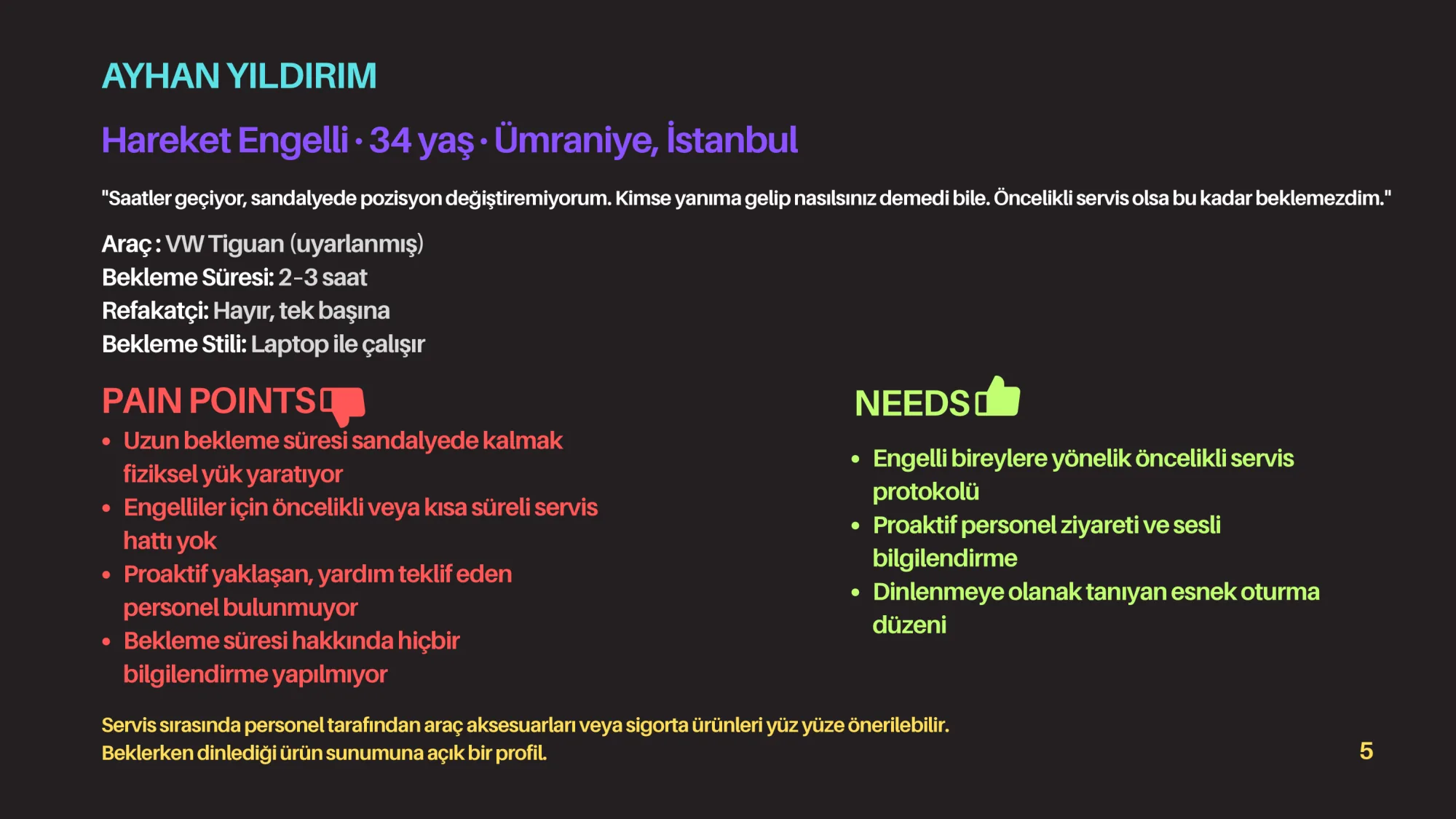
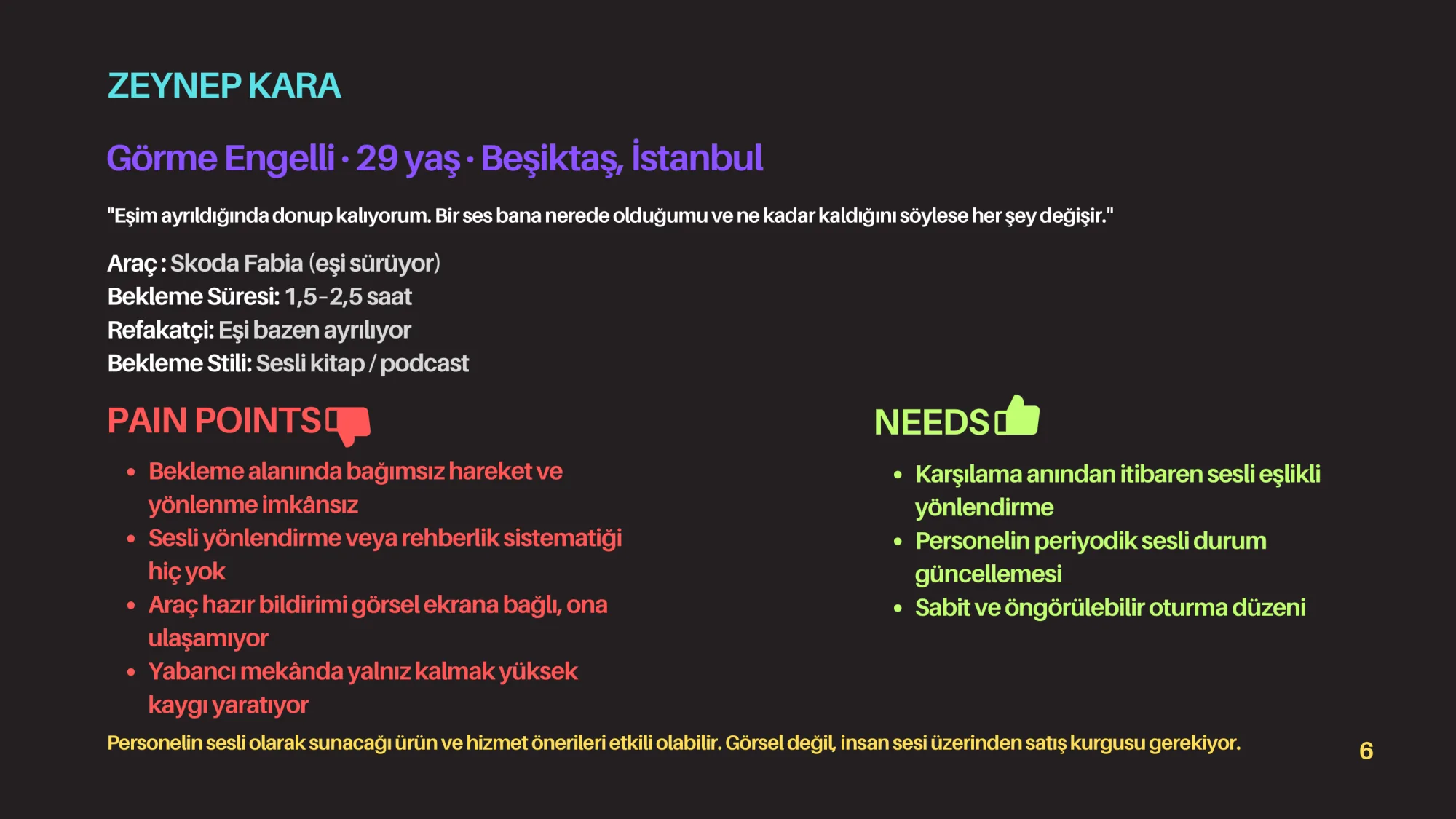
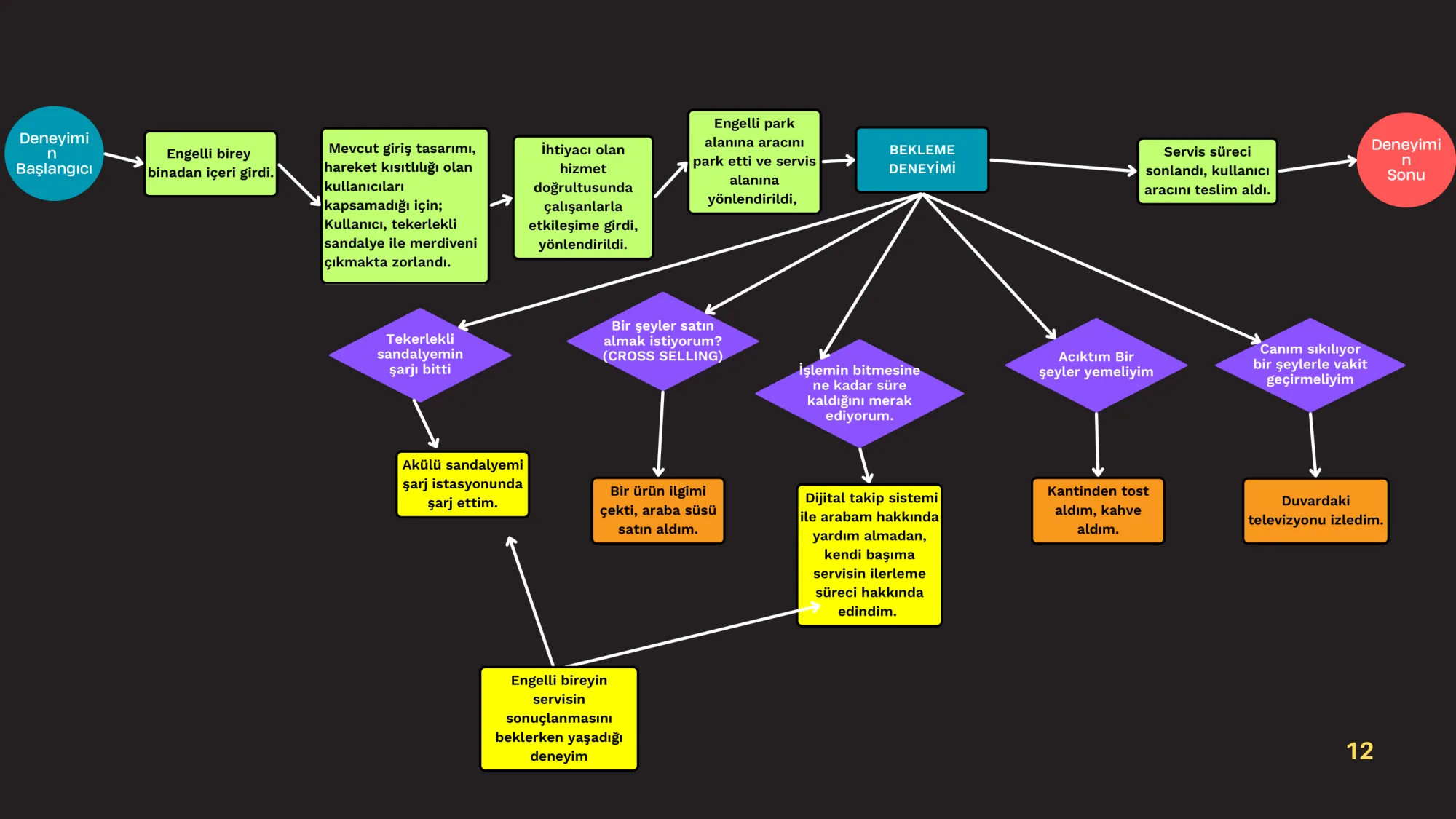
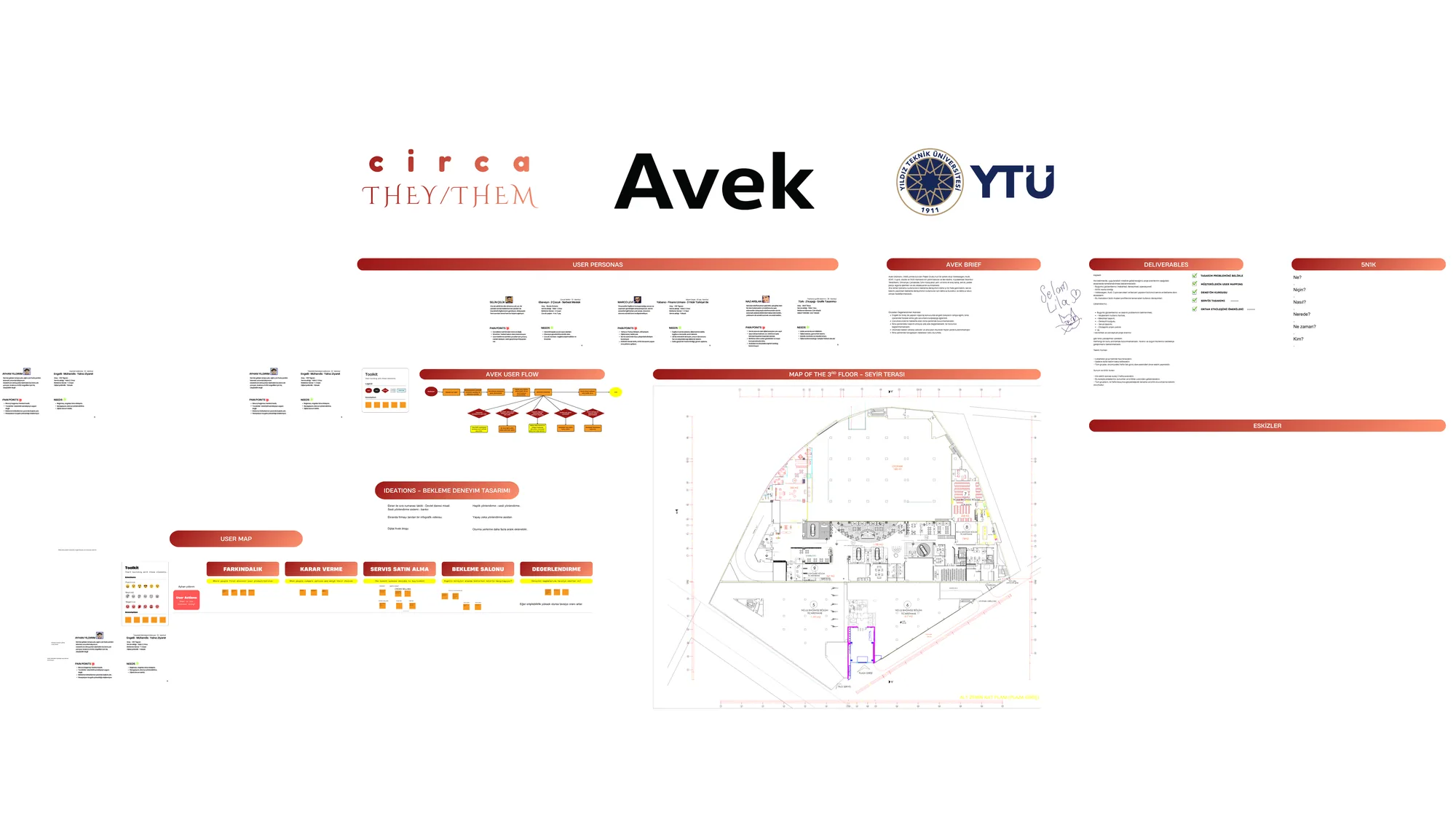
Team-based exploratory UX synthesis: four accessibility personas (wheelchair user, blind customer, deaf customer, and an older visitor with multiple needs), service journey mapping, user flow charting, and whiteboard/poster synthesis.
Experiment & prototype
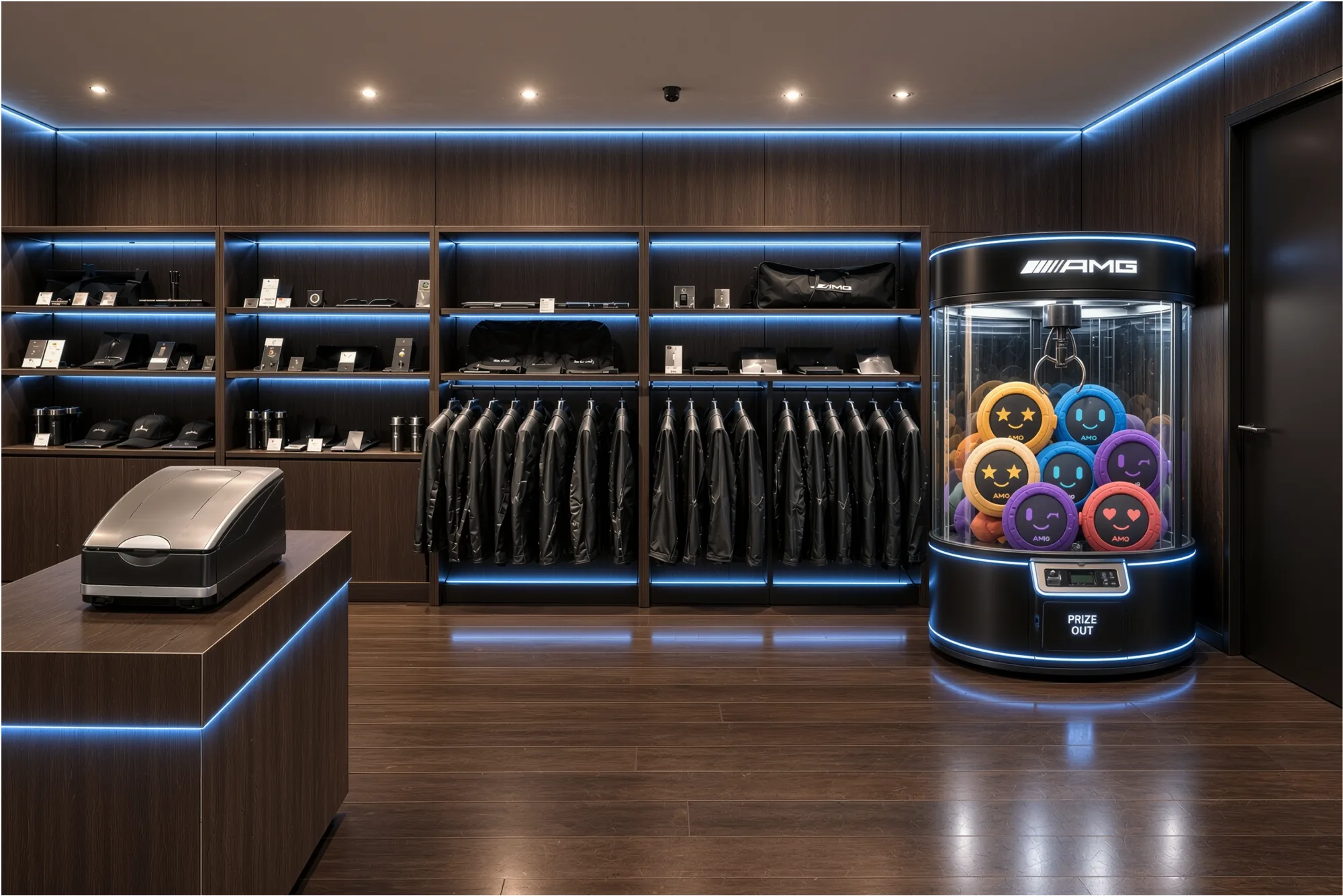
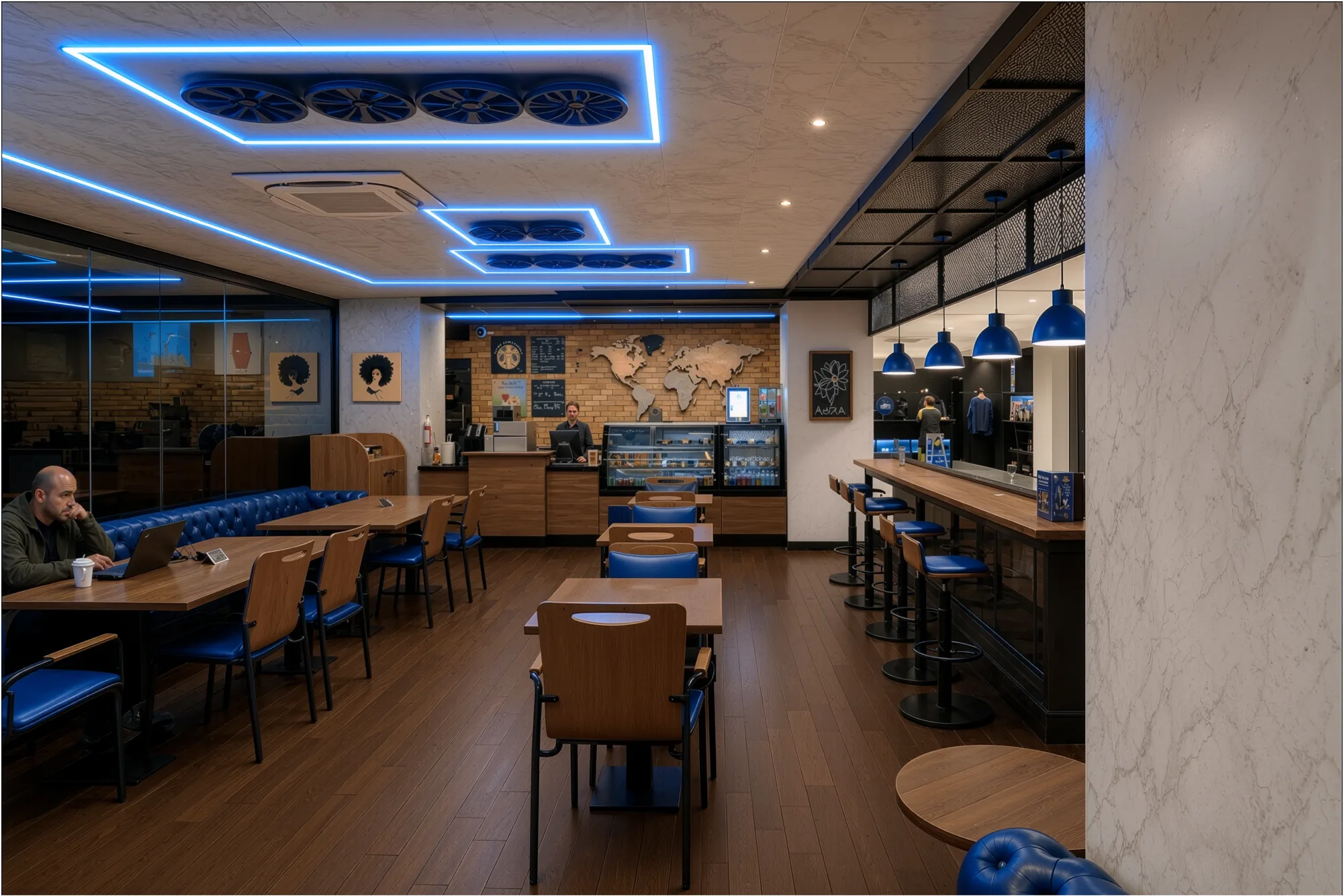
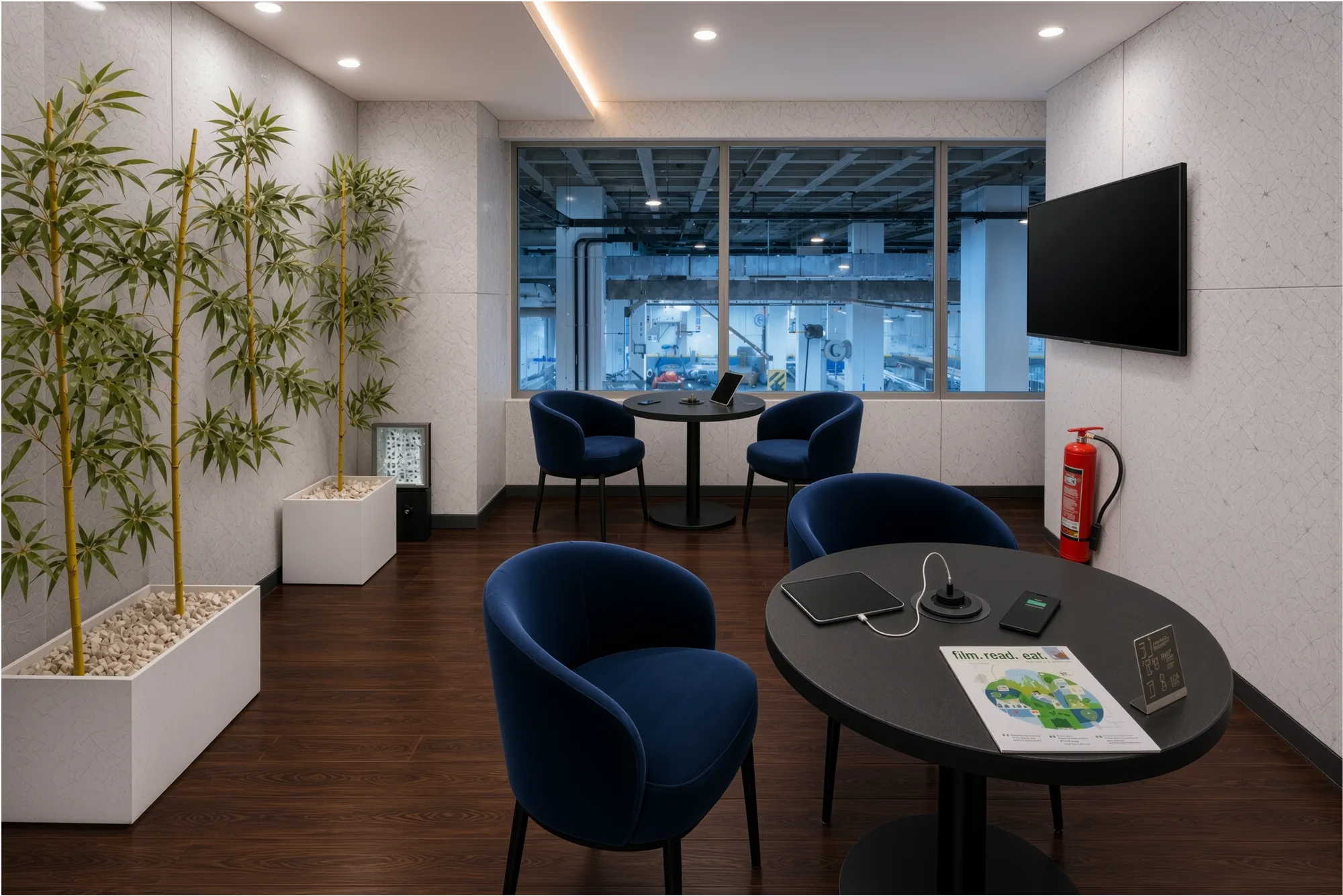
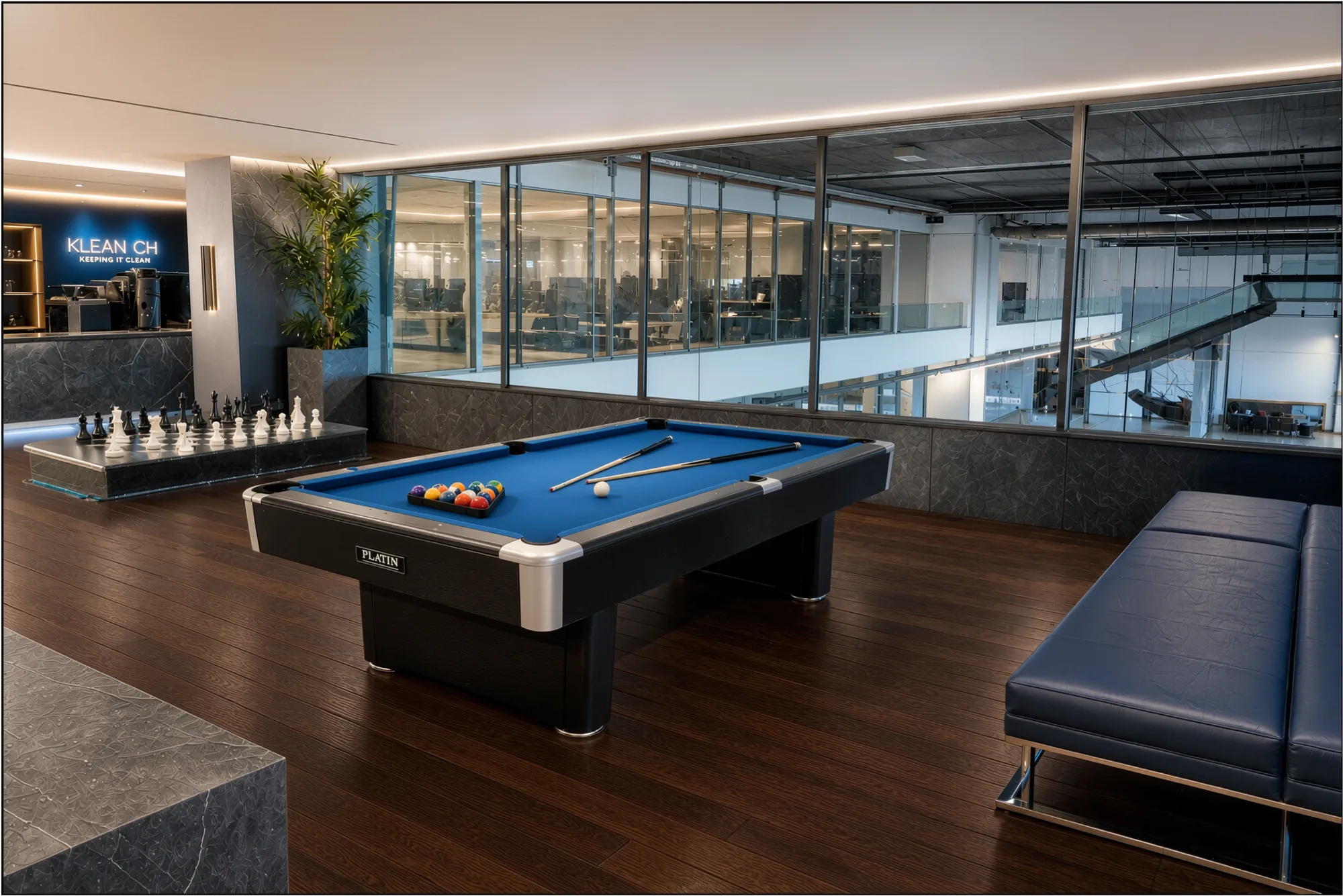
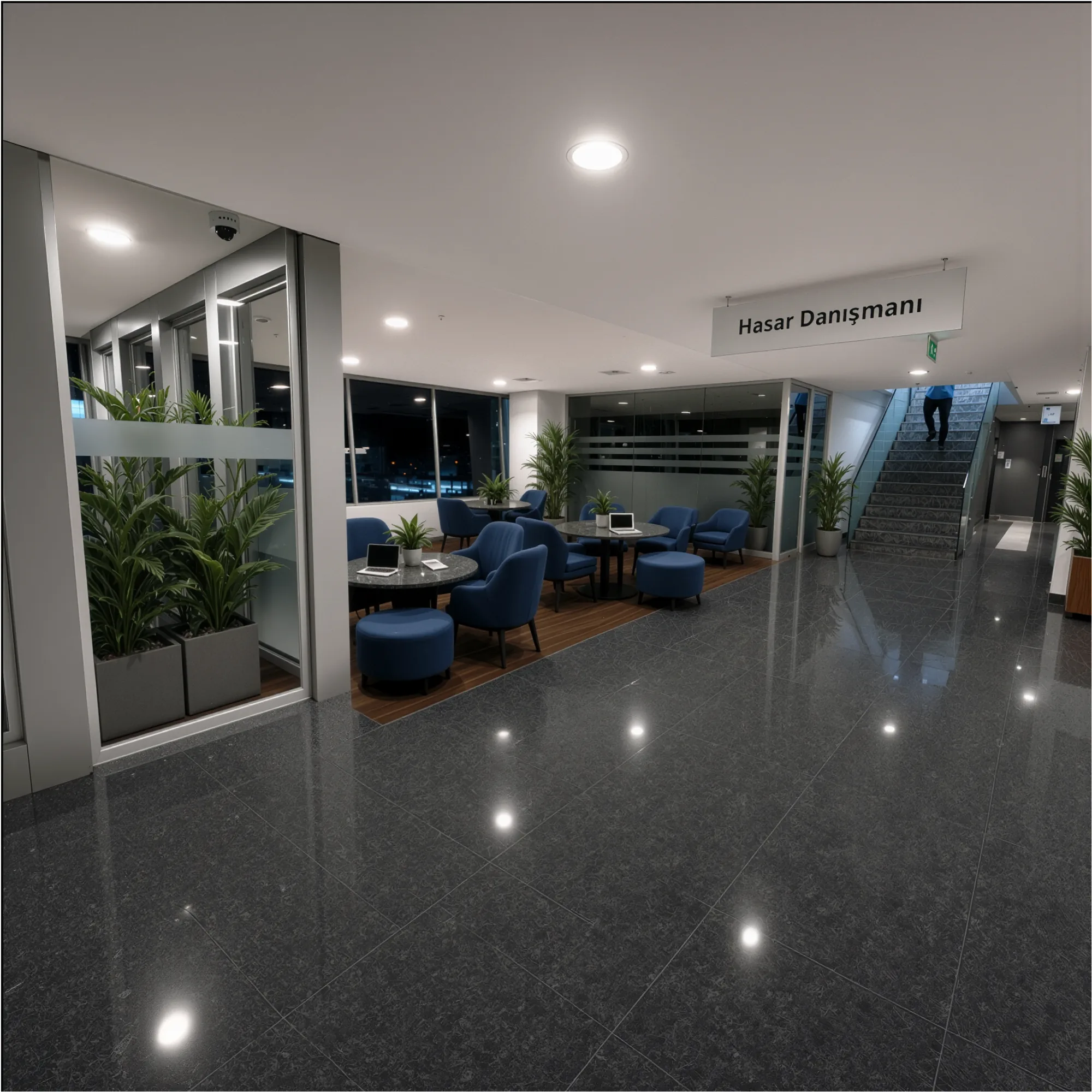
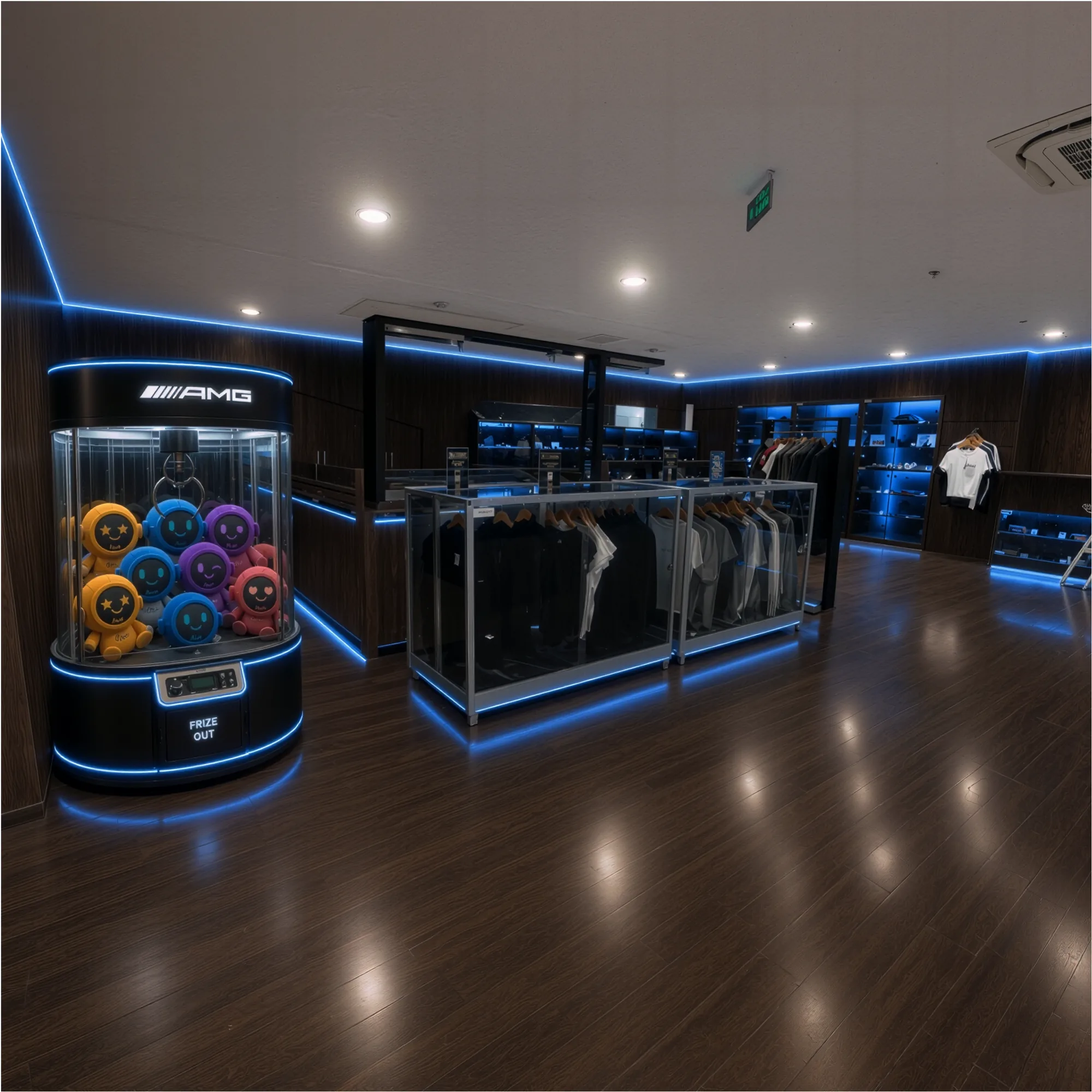
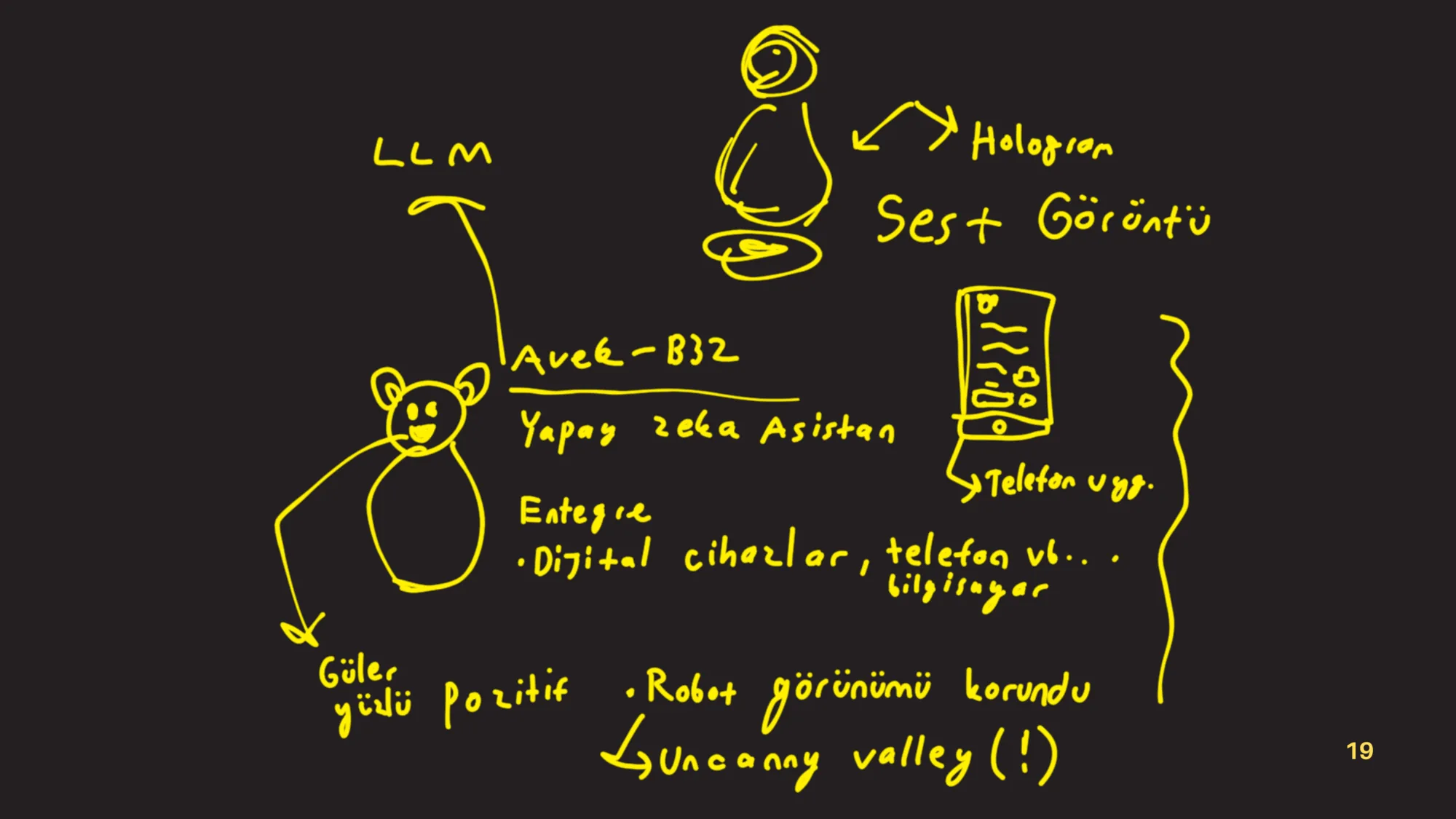
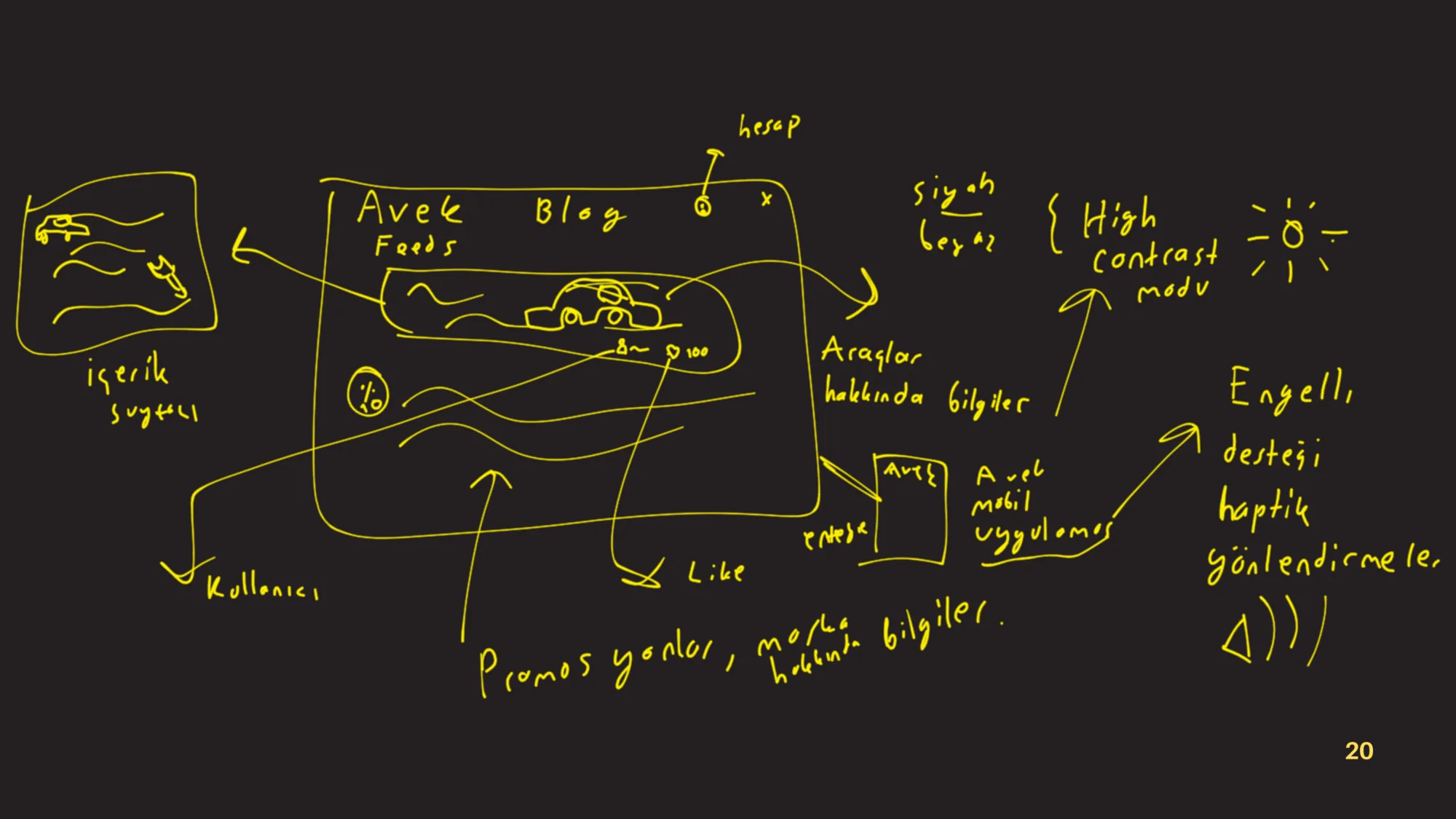
Concept touchpoints (visible queue display, spoken and haptic call-outs, an AI guide concept, QR-linked AVEK blog) paired with 3D spatial renders I produced for the redesigned lounge (rearranged seating, round tables with power outlets, greenery, merch corner, and billiards area).
Findings & observations
Mapping four distinct disability profiles side by side exposed where single-channel fixes fail: visual displays help deaf visitors but exclude blind visitors, while spoken announcements reverse that gap. Pairing multimodal digital notifications with unobstructed spatial circulation addresses both layers together.
Limitations
Exploratory academic team project. No live dealership user testing, accessibility audit with disabled participants, or post-deployment measurement was conducted.
Implications & next steps
Next step before any production work would be participatory usability sessions with disabled drivers and service staff to validate the haptic/spoken call-out timing and physical clearance dimensions on site.